The world around us is constantly changing. How do we know what information is relevant to our current choices? We study how the brain learns, stores, and applies that information — in health and in disease.
A
Behavior
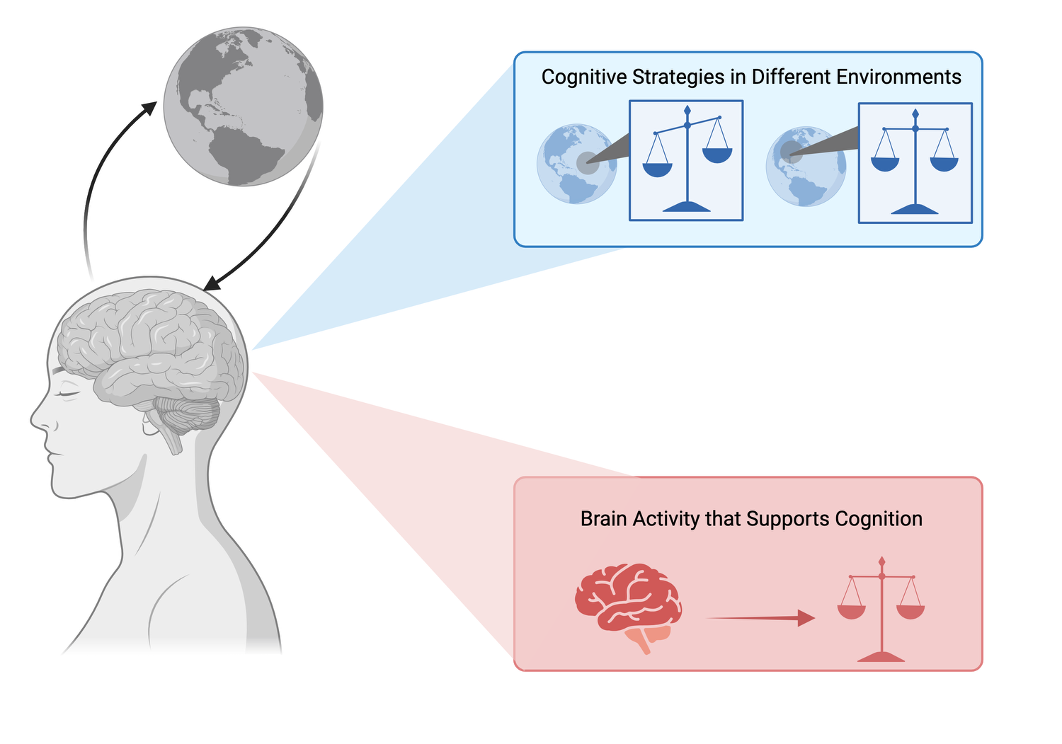
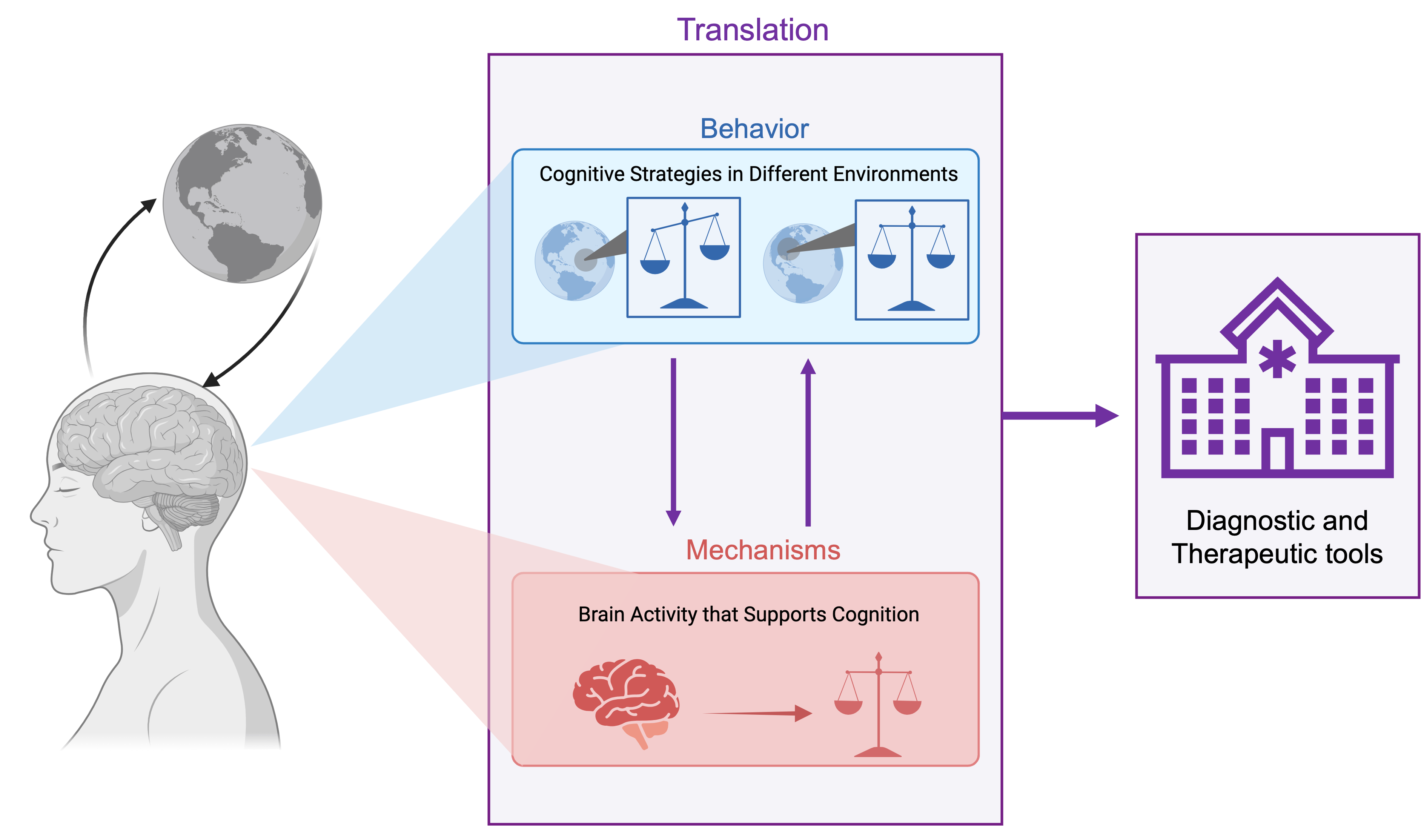
Online, crowdsourced video games with hidden features allow us to explore the types of cognitive strategies humans use in complex and dynamic environments.
B
Models
Mathematical and computational models, spanning behavioral and neural network models help use uncover mechanisms on how different strategies are implemented by the brain.
C
Neural Activity
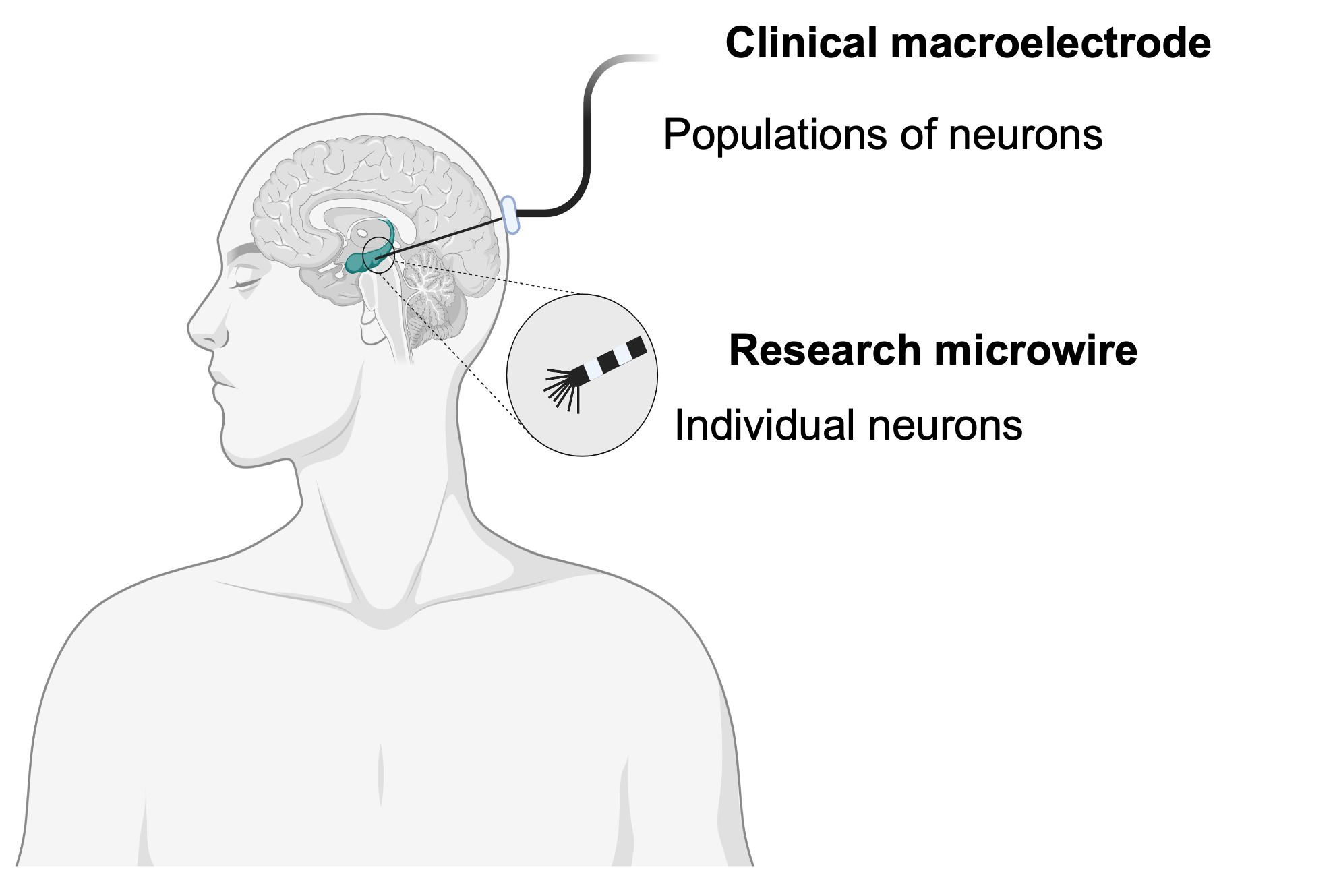
Human brain recordings, including intracranial recordings of neural populations, help us interpret which mechanisms are biologically relevant.
How is information relevant to our environment learned, processed, and applied to our everyday choices?
To study this, we build decision-making games with “hidden” features that change how a participant should behave. We then use mathematical modeling to determine what strategies humans use to change their decision-making in different environments.
Can we understand how and why some patients with psychiatric and neurological disorders struggle with flexibly updating their choices?
We develop translational tools that can measure the decision-making strategies patients use, how these strategies differ from the general population, and whether these behavioral metrics can predict treatment outcomes.